
Do all pregnant people get doctors automatically? Is a doctor always necessary? It might seem so, but that depends on who you talk to and on your individual situation. And it depends on what you know. Here is the record setting on who is who in the birth support world.
A Doula
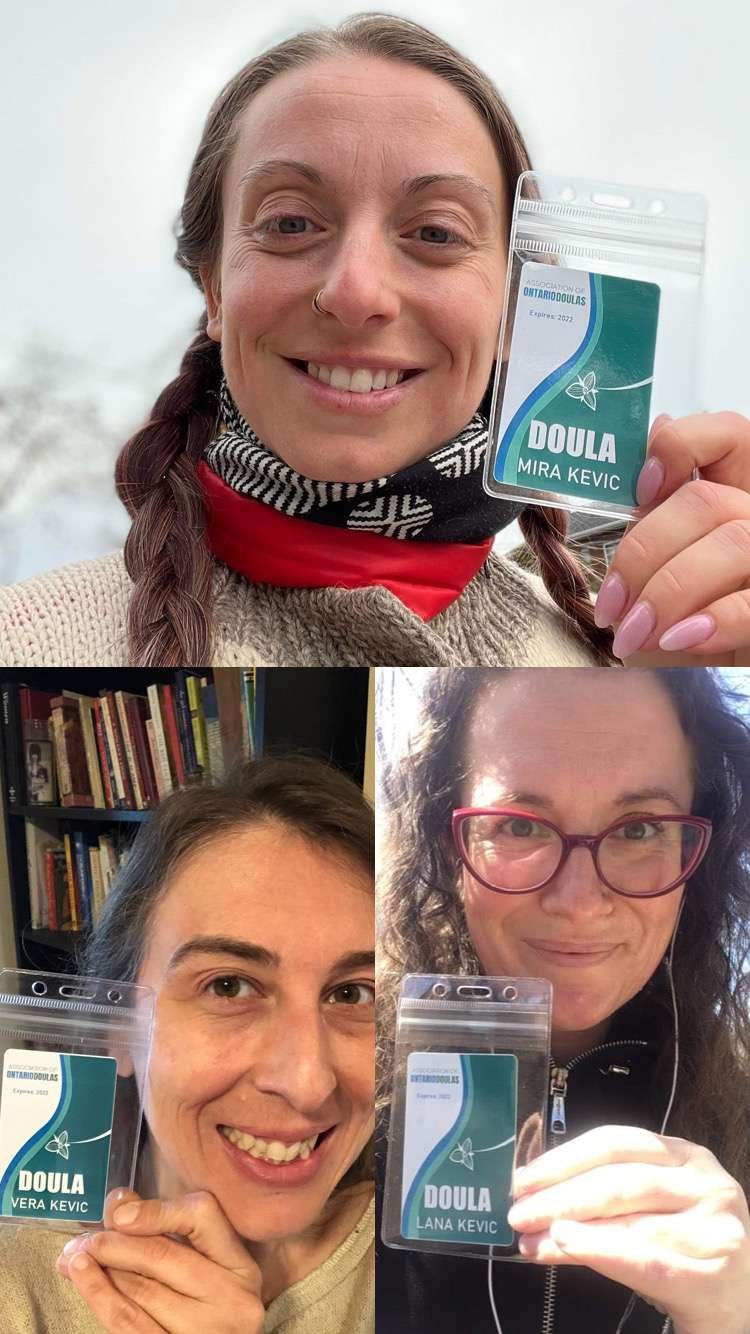
A non-medical support person for pregnancy, labour, birth and the postpartum time (usually just the immediate time, eventually this role becomes more of a “nanny” position if a doula stays with a family long enough.) Birth support from a doula involves shaping of personalized birth wishes, exploring fears and desires around birth (prenatally), hands on in-person guidance during labour which could involve use of tools, hands for massage, and lots of encouraging positive words. Doulas help set the ambiance and atmosphere that allows women and birthers to release their babies through creating spaces that raise oxytocin. Postpartum doulas assist parents in their transitioning into life with a newborn. Some work benefits will reimburse doula fees from a certified doula (like the CAPPA certified doulas of Doulas on Bikes!!)
Registered Midwives in Ontario
Medically trained professionals specializing in low-risk and low-intervention pregnancy and birth. RM attend clients in group collectives for prenatal visits in office, and births in and out of hospital. They follow a client from early pregnancy all the way until 6 weeks postpartum. Midwives are covered by OHIP and are funded to also see non-insured clients (people under the mandatory 4 month waiting period, undocumented and non-status people- yes it’s true!!). Midwives work in hospital Labour and Delivery wards alongside OBs and nurses, they also attend homebirth and Birth Centre births. They are much more likely to encourage unmedicated birth (not always though), are more likely to be experienced with catching babies in water (not always though) and they usually will visit clients at home for some of the pre and post visits.
Traditional Midwives
A bit harder to find, but it is thanks to this group of midwives for keeping the practice alive in Canada during 100 years of outlaw from the College of Surgeons and Physicians). These are traditionally trained midwives, who may or may not have had formal school training. They use practices from older ways that tend to be less hands-on (though not always when a TM gets into tinctures, herbs, manual maneuvers, etc). Sometimes called Birth Attendants, they work outside of the medical system and are not under any associations or certifications.
Family Doctors
Most don’t attend birth but some do and they work on teams in the hospital Labour and Delivery wards, closer to how a Registered midwife might practice. Similar to the RM, Family Doctors who attend birth follow low-risk pregnancies and they only call on the hospital obstetrician team when they need to for complex care. Some Family Practice teams have shifts in the L&D and some are on call for their patients. A rare few will even attend home birth! If you like your doctor, that could be a place to start to see if that person is able to attend your birth.
Obstetricians (OB/Gyn)
I have saved the most popular choice for last! In order of what is needed at most births, this is where OBs belong as they are highly specialized surgeons WHO ARE NOT needed for most births, but we are in a day and age when most people feel they should get the most specialized person for their birth (even those with wishes of low interventions births.) Obstetricians are skilled at high risk and high intervention birth, they are the only qualified birth attendants to use operative tools such as vacuum extractors, forceps, and others, and they are the only ones performing surgical births (i.e. “c-sections”). They are the LEAST specialized at low risk birth and they only attend in hospitals. Not all OBs are the same! Some have a very high rate of surgical births, some perform routine episiotomies, some have a 39 week threshold for booking inductions, and some are absolutely fabulous at what they do.
How will you choose?
Interview everyone as if you are choosing them for one of the most precious day(s) of your life. Ask questions, shop around!! Change your mind when you want to. Read reviews and research to know your risks for yourself. Every birth venue and provider can be the perfect one, and this starts with you trusting in you first. And let the right people show up at the right time.